Embarking on a long-distance drive offers an unparalleled sense of freedom and adventure. Whether you are planning a weekend getaway across state lines or a weeks-long journey across the country, your automobile serves as the foundation of your travel experience. Ensuring that your vehicle is mechanically sound, cosmetically protected, and fully equipped for unexpected events can make the difference between a memorable vacation and a frustrating ordeal on the side of the highway. Thorough preparation goes far beyond simply checking your fuel level or topping up windshield washer fluid. It involves a systematic review of your vehicle critical mechanical components, exterior body condition, tire health, and emergency provisions.
Taking the time to conduct a complete inspection before hitting the open road protects both your financial investment and the safety of everyone on board. Unexpected vehicular failures while traveling away from home can result in high expense, extended downtime, and significant stress. By understanding how to evaluate key operating components and knowing which maintenance procedures to perform ahead of time, you can drive with absolute confidence. This guide provides an expansive overview of everything necessary to prepare your vehicle for long-haul travel, covering vital mechanical checks, protective exterior measures, cabin organization, and practical road strategies.
Comprehensive Mechanical Inspections
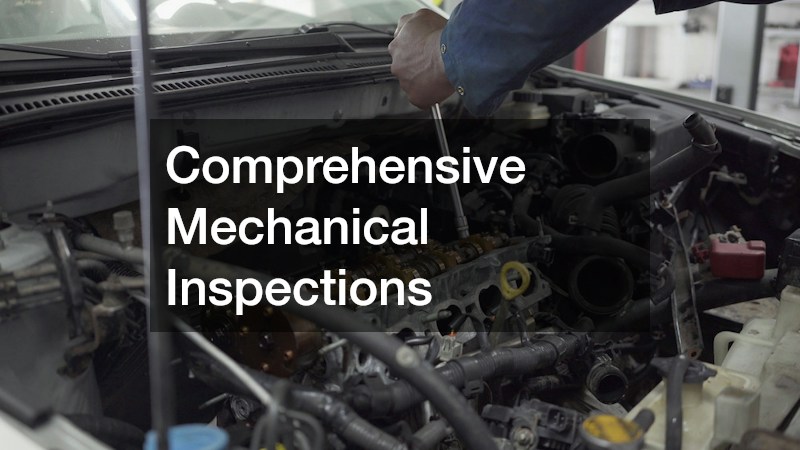
Testing Battery Health and Electrical Systems
A failing car battery is one of the most frequent causes of unexpected trip disruptions. Modern automobiles rely heavily on electrical systems, from engine control modules and fuel injection to navigation and air conditioning. Before setting out, inspect the physical condition of your battery terminals. Ensure there is no corrosion, which typically appears as a white or bluish powdery substance around the posts. Clean any buildup using a dedicated brush and a mix of baking soda and water, and verify that the connections are tight. Additionally, have the battery tested to ensure it holds a proper charge, especially if it is more than three years old. Extreme temperatures, both hot and cold, can severely reduce a battery capacity, making a pre-trip check essential.
Checking Fluid Levels and Integrity
Engine oil, transmission fluid, coolant, brake fluid, and power steering fluid are the lifeblood of your vehicle. Over time and under heavy usage, these fluids degrade, lose their protective properties, or slowly leak. Begin by parking on a level surface to check the engine oil dipstick, ensuring the oil level is between the minimum and maximum marks and that it is not dark and gritty. Radiator coolant should be checked when the engine is completely cold to prevent severe burn hazards. Inspect the reservoir to confirm the coolant is bright and free of contaminants. Fresh brake fluid should appear translucent with a light amber tint; dark or black fluid indicates contamination and potential moisture retention, which reduces braking efficiency during heavy descending mountain drives.
Inspecting Braking Components and Pads
Your braking system is your primary line of defense on high-speed highways and steep inclines. Listen closely for any unusual noises during routine driving, such as squealing, grinding, or clicking when applying the brakes. Visually inspect the brake pads through the wheel spokes to evaluate their remaining thickness. If the pad friction material is less than a quarter of an inch thick, replacement is strongly recommended before embarking on a long trip. Furthermore, pay attention to the brake pedal feel; a spongy or soft pedal suggests air in the lines or worn hydraulic components that need immediate attention from a qualified auto repair shop before you depart.
Evaluating Belts, Hoses, and Engine Seals
Engine belts and rubber hoses endure continuous heat cycles and mechanical friction. A snapped serpentine belt can instantly disable your alternator, water pump, and power steering, leaving you stranded within moments. Inspect all visible belts for signs of dry rot, cracking, fraying, or glazing on the contact surfaces. Squeeze the major radiator hoses when the engine is cold; they should feel firm yet pliable, not excessively soft, mushy, or brittle. Any sign of bulging or hairline cracks along hose connections signals an impending failure that must be addressed prior to heavy highway driving.
Tire Health and Suspension Maintenance
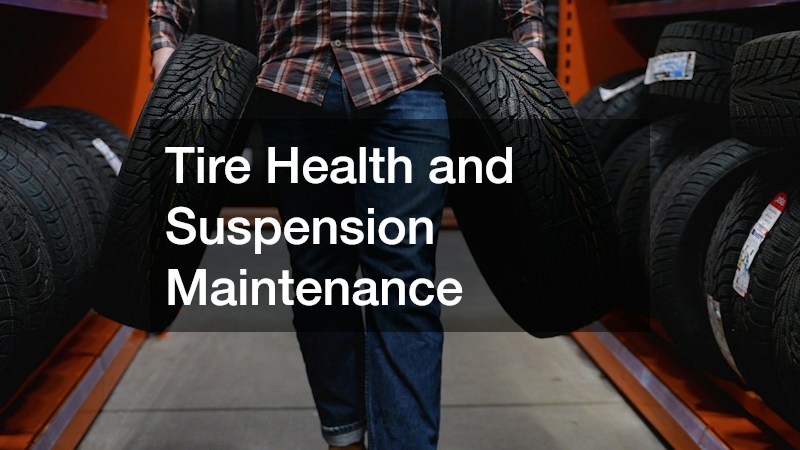
Checking Tread Depth and Pattern Wear
Tires are the sole point of contact between your automobile and the pavement, making their condition vital to steering response, braking distance, and hydroplaning resistance. Inspect the tread depth across the entire width of each tire using a depth gauge or the traditional coin test. Look closely for uneven wear patterns, such as feathering, cupping, or heavier wear on the inner or outer shoulders. Uneven wear often points to improper wheel alignment, worn suspension bushings, or incorrect inflation pressures. If the tread is worn down near the wear indicators, install a new set of tires to handle wet roads safely.
Adjusting Tire Inflation to Loaded Specifications
Proper tire inflation is critical for fuel efficiency, tire longevity, and high-speed stability. The correct tire pressure for your vehicle is listed on the driver side door placard, not the maximum pressure stamped on the tire sidewall. Keep in mind that carrying heavy luggage, cargo carriers, or additional passengers increases the load on the tires. Adjust the cold tire pressure according to the manufacturer specifications for a fully loaded vehicle. Underinflated tires generate excess heat at highway speeds, which significantly increases the risk of a dangerous blowout, while overinflated tires compromise ride comfort and traction.
Inspecting the Spare Tire and Jack Tools
Having a functional spare tire is useless if it is flat or missing the proper tools for installation. Retrieve your spare tire from the trunk or undercarriage and verify its air pressure, as compact spares often require significantly higher pressure than standard road tires. Check that the tire shows no signs of dry rot or cracking due to age. Ensure that the original equipment vehicle jack, lug wrench, and any specialty wheel lock keys are present, undamaged, and operating smoothly. Practicing a quick tire change at home ensures you are fully prepared if you encounter a flat on a remote stretch of highway.
Assessing Shocks, Struts, and Steering Components
A smooth and predictable ride relies heavily on the health of your suspension system. Worn shocks or struts cause excessive vehicle bouncing, body roll around curves, and increased stopping distances. Look behind the wheels for signs of oil leaking down the body of the shock absorbers. Inspect the rubber boots on ball joints, tie rod ends, and CV axles to ensure they are not torn, which allows grease to escape and dirt to enter. If your steering wheel vibrates at speed or pulls to one side on a straight road, address the alignment and balancing beforehand to prevent driver fatigue.
Exterior Protection and Visibility Enhancements

Deep Cleaning and Exterior Surface Protection
Long road trips expose your vehicle paint to bugs, bird droppings, road tar, tree sap, and harsh solar radiation. A thorough washing and clay bar treatment removes embedded surface contaminants that standard washes leave behind. Applying a high-grade wax or advanced auto ceramic coating creates a resilient protective barrier over the clear coat. This barrier minimizes paint damage from high-speed insect impacts and environmental fallout, while making it remarkably easy to wash away dirt and road grime at the end of your travels.
Fixing Dents and Minor Body Integrity Issues
Pre-existing exterior damage, such as small dings or crease dents on panels, can deteriorate further when subjected to long drives and high wind resistance. Addressing cosmetic blemishes before traveling helps preserve structural integrity and prevents moisture from creeping into bare metal seams, which leads to rust. Professional auto dent repair can swiftly restore contoured metal panels without compromising the original factory paint layer. Fixing minor damage ensures your car looks its best for travel photography and maintains its resale value over time.
Restoring Headlight and Taillight Clarity
Clear lighting is fundamental for nighttime visibility and signaling your intentions to other motorists. Over time, plastic headlight lenses oxidize under ultraviolet light, becoming cloudy, yellowed, and hazy. This oxidation can reduce light output by more than fifty percent, dangerously shortening your field of view during night driving. Use a headlight restoration kit or professional polishing system to strip away oxidized plastic and restore optical clarity. Ensure all turn signals, brake lights, reverse lights, and hazard flashers are fully operational before departure.
Replacing Windshield Wipers and Cleaning Glass
Clear vision through the front and rear windshields is essential when navigating sudden downpours, night glare, or dusty highways. Inspect wiper blades for cracked rubber, split edges, or stiffness. If wipers leave streaks, chatter across the glass, or fail to clear water evenly, replace them immediately with high-performance beam-style blades. Treat the exterior glass with a hydrophobic water-repellent coating to allow rain to bead up and roll off quickly. Clean the interior surface of all windows with a streak-free glass cleaner to eliminate haze that amplifies blinding glare from oncoming headlights.
Engine Performance and Exhaust Readiness
Replacing Air and Cabin Filters
Your engine needs clean air to maintain optimal fuel efficiency and power output during high-speed driving. A clogged engine air filter restricts airflow, causing the engine control computer to compensate, which can degrade mileage and throttle performance. Check the air filter element and replace it if it appears dark or filled with debris. Similarly, check the interior cabin air filter, which cleans the air entering through the heating and air conditioning vents. A fresh cabin filter removes dust, pollen, and allergens, keeping the interior air clean and comfortable for passengers.
Verifying Exhaust and Emission Controls
A properly functioning exhaust system routes toxic gases safely away from the passenger compartment while maintaining correct backpressure for engine performance. Inspect under the chassis for rust spots, loose heat shields, or dangling hangers along the exhaust pipe. If your destination or state regulations mandate compliance checks, ensure your vehicle has recently passed a standard emissions test to verify that the catalytic converter and oxygen sensors are reading accurately. Addressing check engine lights prior to a trip prevents sudden engine derating or excessive fuel consumption on the road.
Addressing Body Work and Trim Fasteners
High speeds on the highway create substantial aerodynamic forces that push against plastic body trim, bumper covers, and underbody splash shields. Loose trim pieces or damaged body panels can vibrate, generate loud wind noise, or tear away completely while driving. Inspect the lower fascia, fender liners, and rocker panels to ensure all plastic rivets and screws are securely fastened. If you have structural exterior damage from prior incidents, seek professional auto body service to reattach panels, repair frame mounts, and secure structural elements properly.
Preparing Heavy-Type Vehicles and RVs
Managing Heavy Towing Dynamics
If your travel plans include pulling a boat, utility trailer, or travel trailer, your vehicle faces stress far beyond standard commuting. Towing places immense heat and mechanical demand on your engine, transmission, rear differential, and braking hardware. Verify that your trailer hitch receiver, safety chains, breakaway cable, and electrical wiring harness are rated correctly for the load. Install a dedicated transmission cooler if you plan to navigate mountainous terrain while hauling heavy cargo. When handling dense trailer loads, heavy duty towing capabilities become essential to safely control stopping distance and prevent dangerous trailer sway.
Servicing Recreational Vehicles for Long Journeys
Recreational vehicles require specialized preparation due to their combination of automotive mechanisms and living quarters. Check the age and condition of all RV tires, as these vehicles often sit stationary for long periods, leading to dry rot and sidewall degradation. Inspect the plumbing lines, propane systems, slide-out mechanisms, and house batteries. Verify that all fresh water tanks are sanitized and waste tanks are properly cleared. Before leaving, outline your driving route carefully to locate suitable rv parks that accommodate your rig size, power hookup requirements, and dump station needs.
Specialized Towing Planning for Motorhomes
Traveling in or with large recreational vehicles occasionally requires moving secondary vehicles behind the main rig. Flat-towing a dinghy vehicle or utilizing a tow dolly requires specific baseplates, tow bars, and auxiliary braking systems that synchronize with the motorhome brakes. Ensure that your setup complies with tow weight limits and state transportation laws. In the event of a severe mechanical failure with a large motorhome, standard wreckers will not suffice; you must ensure your roadside coverage explicitly supports specialized rv towing equipment designed for high-clearance, heavy-chassis transport.
Emergency Readiness and Passenger Comfort
Assembling a Comprehensive Emergency Kit
Even the best-maintained vehicles can experience unexpected mechanical issues, extreme weather, or highway closures. A well-stocked emergency kit is a crucial asset for every long-distance road trip. Pack a durable jumper cable set or a portable lithium-ion jump starter pack. Include a multi-tool, flashlights with extra batteries, a tire pressure gauge, basic hand tools, duct tape, and work gloves. For personal safety, carry a fully supplied first-aid kit, emergency blankets, non-perishable food, abundant drinking water, and high-visibility road flares or reflective safety triangles.
Securing Roadside Protection Services
When an emergency occurs far from home, having reliable support on call provides unmatched peace of mind. Ensure that your insurance policy or motor club membership includes comprehensive roadside assistance coverage. This service handles common travel headaches such as lockouts, flat tire changes, fuel delivery, and battery jump-starts. Save the dispatch phone number and your policy details directly into your mobile phone, and keep a physical card in the glovebox in case your phone battery dies or cellular data signals drop in remote areas.
Establishing On-Demand Repair Services
Traveling through unfamiliar regions means you may not know where to turn when a warning light appears or a hose begins to leak. Research mobile repair options and nationwide service networks along your intended travel route ahead of time. Knowing how to access reliable road service enables quick dispatch of technician support directly to your vehicle location on the highway shoulder. Having this information mapped out reduces downtime and helps you avoid inflated prices from predatory local service shops.
Optimizing Interior Cabin Cargo and Comfort
Interior organization plays a massive role in driver focus and passenger comfort over long hours on the highway. Avoid overloading the cabin with unsecured luggage that can turn into dangerous projectiles during sudden braking maneuvers. Place heavy bags flat on the trunk floor or cargo area, keeping essential items like medications, snacks, water, and garbage bags within easy reach. Clean interior air vents, organize charging cables for electronic devices, and adjust seating positions to support healthy posture, ensuring everyone arrives at the destination relaxed and fatigue-free.
Preparing an automobile for a long trip requires methodical attention to detail, but the reward is a stress-free travel experience. By thoroughly evaluating mechanical components, ensuring tire stability, protecting exterior paint, and planning for unexpected emergencies, you protect both your vehicle and its occupants. Taking these preventative steps allows you to relax, focus on the open road ahead, and fully enjoy every mile of your journey.