
Keeping a vehicle in good condition requires more than responding when something goes wrong. Regular care, timely inspections, and attention to small changes can help preserve performance, safety, comfort, and appearance over time. Whether a vehicle is used for daily commuting, family transportation, work, recreation, or occasional driving, consistent maintenance can make a major difference in how it performs.
A good vehicle care routine should address more than the engine. Brakes, suspension, axles, transmission, body panels, interior, windows, tires, and other systems all contribute to the overall driving experience. Different vehicles also have different maintenance considerations based on their age, design, mileage, and intended use.
The following guide covers important areas of vehicle care and explains what owners can do to recognize potential problems, maintain important systems, and make informed decisions about professional automotive services.
1. Establish A Consistent Maintenance Routine
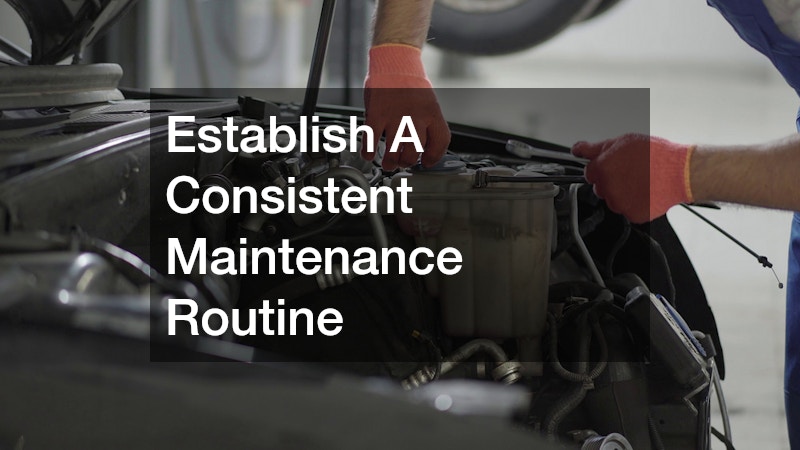
One of the simplest ways to care for a vehicle is to establish a maintenance routine and follow it consistently. Waiting until a warning light appears or a vehicle develops an obvious problem can allow relatively minor issues to become more complicated. Routine inspections provide an opportunity to identify wear before it affects other components.
Start by reviewing the maintenance recommendations associated with the specific vehicle. Maintenance schedules can vary based on the manufacturer, model, engine, mileage, driving conditions, and vehicle age. A vehicle that spends significant time in stop-and-go traffic, carries heavy loads, or travels on rough roads may experience different wear than one used primarily for highway driving.
A basic maintenance routine can include:
- Checking tire pressure regularly
- Monitoring fluid levels
- Inspecting visible belts and hoses
- Paying attention to unusual sounds or vibrations
- Checking exterior lights
- Watching for warning lights on the dashboard
- Keeping track of previous repairs
- Scheduling recommended inspections
It is also useful to pay attention to changes in how a vehicle feels. A new vibration, pulling sensation, unusual noise, hesitation, or change in braking behavior should not automatically be dismissed as normal aging.
2. Pay Attention To The Engine And Fluids
The engine depends on proper lubrication, cooling, and fluid levels to operate effectively. Regularly checking the appropriate fluids and following the vehicle manufacturer’s maintenance recommendations can help owners stay ahead of common maintenance needs.
An oil change is one of the routine services that should remain on a vehicle owner’s maintenance calendar. Engine oil helps lubricate moving components, and oil gradually becomes contaminated or loses some of its effectiveness through normal use. The appropriate service interval depends on the vehicle and the oil being used, so owners should follow the recommendations for their particular model rather than relying on a universal schedule.
Other fluids deserve attention as well. Depending on the vehicle, these may include coolant, brake fluid, transmission fluid, power steering fluid, and windshield washer fluid. Not every vehicle uses or requires the same fluids, and some modern vehicles have different service procedures than older designs.
Watch for signs that could indicate a fluid-related problem, including:
- Fluid spots underneath a parked vehicle
- Low fluid levels
- Overheating
- Changes in steering feel
- Difficulty shifting
- Unusual odors
- Dashboard warning lights
Fluid leaks should be investigated rather than repeatedly topped off without determining the cause. A leak can indicate a worn seal, damaged line, loose connection, or another mechanical issue.
3. Know When Major Drivetrain Work May Be Necessary
The drivetrain contains several components responsible for transferring power from the engine to the wheels. Because these parts experience significant mechanical forces, wear can eventually affect their operation. Understanding potential warning signs can help owners seek an inspection before a problem becomes more severe.
Transmission problems can appear in several ways. A driver might notice delayed engagement, slipping, harsh shifting, unusual noises, difficulty selecting a gear, or fluid leakage. However, these symptoms can have different causes, so diagnosing the underlying problem requires more than simply identifying one symptom.
In some situations, a transmission rebuild may be considered when internal components have experienced significant wear or damage, but the unit can be restored rather than completely replaced. Whether rebuilding is appropriate depends on the vehicle, the condition of the transmission, the source of the problem, and the findings of a professional inspection.
Other drivetrain components should not be overlooked. Axles, driveshafts, differentials, and related components can also experience wear. Clicking sounds while turning, vibrations during acceleration, or unusual noises from underneath the vehicle may warrant an inspection.
4. Protect The Wheels, Axles, And Suspension
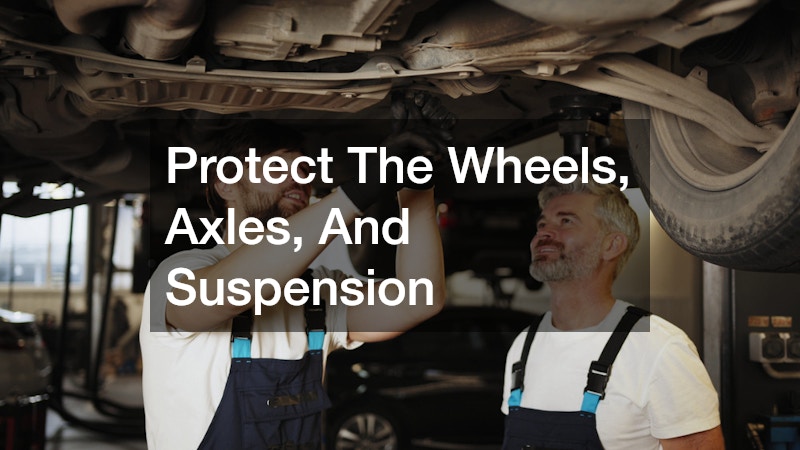
A vehicle’s suspension and wheel-related components affect more than ride comfort. They also play an important role in handling, steering response, tire contact, and overall driving behavior. Because many suspension components operate underneath the vehicle, wear is not always immediately visible to the driver.
Signs of a possible suspension or axle problem can include uneven tire wear, excessive bouncing, pulling to one side, clunking sounds, steering changes, or vibrations. Some symptoms may also overlap with tire or alignment issues, which is why a proper inspection is important.
Professional axle repair services can address problems involving components that transfer power to the wheels. Axle-related concerns may become noticeable through noises, vibrations, or other changes in driving behavior. Ignoring those symptoms can make it more difficult to determine the original source of the problem later.
Owners should also pay attention to the condition of shocks, struts, springs, bushings, and other suspension components. Vehicles that regularly travel over potholes, uneven pavement, construction areas, or rough roads may experience additional stress.
Consider these warning signs:
- The vehicle continues bouncing after going over a bump
- The steering feels different from normal
- Tires are wearing unevenly
- The vehicle leans noticeably during turns
- New knocking or clunking sounds develop
- The vehicle pulls in one direction
Regular inspections can help identify worn components before they interfere with other systems.
5. Address Damage Before It Spreads
The exterior of a vehicle serves practical purposes in addition to contributing to its appearance. Body panels, paint, seals, lights, glass, and other exterior components can help protect the vehicle from the surrounding environment. Damage that seems cosmetic at first may sometimes create additional concerns if it is left unaddressed.
Auto body repairs can range from addressing dents and damaged panels to correcting other exterior issues following a collision or accident. The appropriate repair depends on the extent and location of the damage.
Even minor damage deserves attention when it affects a component’s function. For example, a damaged bumper, light assembly, hood, trunk, or door may affect how the vehicle operates or how safely it can be used.
After an accident, owners should also remember that visible damage does not always tell the entire story. Components underneath the exterior may have been affected even when damage appears limited from the outside. An inspection can help identify concerns that are not immediately obvious.
6. Keep The Interior And Exterior Looking Their Best
Vehicle care is not exclusively mechanical. Keeping the interior and exterior clean can make the vehicle more pleasant to drive and can help owners notice changes or damage that might otherwise be hidden by dirt and debris.
Auto detailing services can provide more thorough cleaning than a typical quick wash or interior cleanup. Depending on the services offered by a particular automotive business, detailing may focus on different areas of the vehicle’s interior or exterior.
For everyday upkeep, owners can establish simple habits such as removing trash regularly, vacuuming accumulated dirt, cleaning frequently touched surfaces, and washing the exterior when necessary. Spills should also be addressed promptly to reduce the chance of staining or lingering odors.
Exterior care can include:
- Washing away road grime
- Cleaning windows and mirrors
- Removing accumulated dirt
- Keeping wheels clean
- Checking for new scratches or dents
- Inspecting areas around exterior trim
Interior care deserves similar attention. Dust, food particles, moisture, and other debris can accumulate over time. Cleaning upholstery, carpets, dashboards, and other surfaces according to their material can help keep the cabin in better condition.
7. Follow Vehicle-Specific Service Recommendations

Not every vehicle should be maintained in exactly the same way. Manufacturer recommendations, vehicle design, engine configuration, age, mileage, and previous repairs can all affect what maintenance is appropriate.
Owners of Toyota vehicles, for example, may choose Toyota specialist auto repair when they want service performed by a shop that specifically works with that type of vehicle. A specialist may be familiar with the systems, components, and maintenance considerations associated with the vehicles they regularly service.
This does not mean every vehicle requires specialized service for every repair. Instead, the important consideration is finding an automotive professional with appropriate experience for the vehicle and the work being performed.
Vehicle-specific maintenance records are particularly useful. Keep documentation showing when major services were completed and which components were replaced. This information can help prevent unnecessary duplication and provide useful background during future inspections.
Owners should also pay attention to recalls, service recommendations, and manufacturer maintenance requirements that apply to their particular vehicle. Maintenance schedules should be treated as a starting point for responsible vehicle care rather than something that can be ignored until a problem occurs.
8. Give Older And Classic Vehicles Extra Attention
Older vehicles often require a different approach to maintenance because age can affect components even when mileage is relatively low. Rubber parts, seals, hoses, electrical connections, gaskets, and other materials can deteriorate over time.
Classic auto repair can involve vehicles with older designs, specialized components, or systems that differ considerably from those found in newer vehicles. For that reason, experience with the specific type of vehicle can be particularly useful when diagnosing an issue.
Owners of older vehicles should monitor changes carefully rather than assuming every unusual sound or fluid leak is simply part of owning an older car. Age may explain why a component is worn, but it does not necessarily mean the condition should be ignored.
Helpful practices for older vehicles include:
- Keeping detailed maintenance records
- Inspecting older rubber components
- Watching for fluid leaks
- Monitoring cooling system performance
- Checking electrical systems
- Addressing unusual noises promptly
- Keeping replacement information organized
Parts availability can also be a consideration with older vehicles. Some components may require more research or different sourcing than parts for newer models. Planning maintenance rather than waiting for a complete failure can give owners more time to determine an appropriate repair strategy.
9. Improve Comfort And Protection
Vehicle comfort can influence how enjoyable a car or truck is to drive, particularly for people who spend substantial amounts of time behind the wheel. Windows, climate systems, seating, interior surfaces, and other features all contribute to the overall experience.
Window tinting services can be an option for owners interested in changing the appearance or characteristics of their vehicle’s windows. Before selecting any window-related service, owners should understand the applicable requirements and choose an option appropriate for the vehicle.
Comfort-related upgrades should complement responsible vehicle maintenance rather than replace it. For example, an appearance upgrade does not address worn tires, malfunctioning lights, brake concerns, or mechanical problems.
Owners can also improve everyday comfort through simple maintenance habits:
- Keep windows and mirrors clean
- Replace damaged wiper blades when needed
- Keep the cabin free of unnecessary clutter
- Address unpleasant odors at their source
- Maintain appropriate tire pressure
- Inspect climate-control performance when it changes
It is useful to distinguish between cosmetic improvements and mechanical necessities. A vehicle can look excellent while still requiring important repairs, just as an older-looking vehicle can remain mechanically well maintained.
10. Maintain Work Trucks According To Their Use

Trucks often experience different demands than passenger vehicles. Towing, hauling, frequent driving on rough roads, carrying equipment, and extended work use can place additional stress on suspension, drivetrain, tires, brakes, and other components.
Truck suspension repair may become necessary when components have experienced wear or damage that affects ride quality, handling, or vehicle behavior. Warning signs can include unusual noises, uneven tire wear, excessive bouncing, changes in steering response, or a noticeable difference in how the truck handles a load.
A truck repair service may address a wide range of mechanical concerns, but the right maintenance approach should reflect how the truck is actually used. A work truck that regularly carries heavy equipment may need closer attention to components affected by that workload.
Truck owners should consider keeping track of:
- Typical loads
- Towing frequency
- Tire condition and pressure
- Suspension behavior
- Brake performance
- Fluid levels
- Warning lights
- Unusual drivetrain noises
It is also important not to assume that a truck’s ability to carry or tow something means it should routinely operate under maximum conditions. Following the vehicle’s specifications and using equipment appropriately can help reduce unnecessary strain.
Regular inspections become particularly valuable when a truck is an essential part of work. Preventive attention can help identify developing issues before they interfere with transportation or daily operations.
Keeping a vehicle in top condition is an ongoing process rather than a single maintenance appointment. The most effective approach combines routine inspections, manufacturer-recommended maintenance, attention to warning signs, appropriate repairs, and reasonable care of the vehicle’s interior and exterior.
Drivers can make vehicle care easier by keeping accurate records, learning the normal sounds and handling characteristics of their vehicle, and addressing unusual changes promptly. Different vehicles also have different requirements, so maintenance should account for the vehicle’s age, design, mileage, and intended use.
Whether maintaining a daily driver, preserving an older vehicle, caring for a work truck, or simply keeping a vehicle clean and comfortable, consistent attention can help owners make more informed decisions about automotive care. When a concern goes beyond routine maintenance, having the vehicle inspected by a qualified automotive professional can help determine the appropriate next step.