When it comes to ensuring the safety and performance of your vehicle, understanding the brake repair process is crucial. Ignorance in this domain not only risks your safety but also could lead to costly repairs in the future. A well-informed car owner creates a strong foundation for receiving high-quality service.
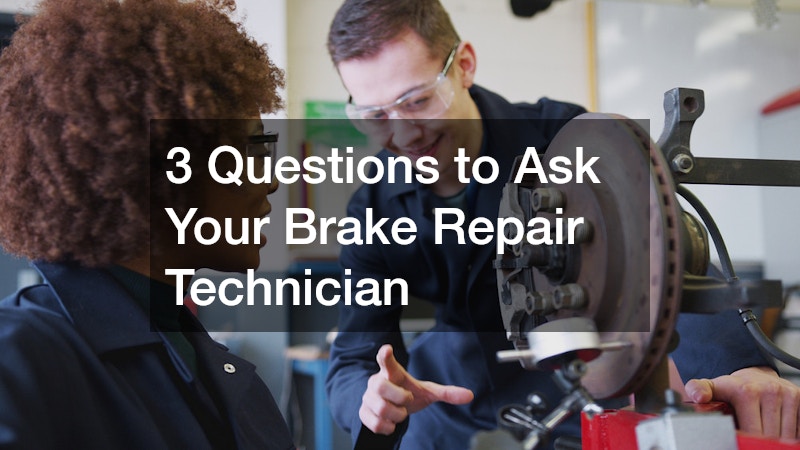
This article will highlight three essential questions you should ask your brake repair technician to ensure quality service, particularly in brake repair. These questions will serve as your guide to maintaining the health of your brakes and ensuring peace of mind when you’re out on the road.
1. What Are the Common Signs That My Brakes Need Repair?
Recognizing the early signs that your brakes may need repair is crucial for preventing extensive damage and ensuring your safety. One of the most common indicators is a squealing or grinding noise when you apply the brakes. This noise usually indicates that the brake pads are worn down and need immediate attention. Another sign to look out for is a spongy or soft brake pedal, which can indicate air or moisture in the brake lines. If you notice any vibrations or pulsation through the brake pedal, it could suggest that the rotors need resurfacing or replacement, necessitating a quick visit to a brake repair shop.
If your vehicle pulls to one side when braking, this could indicate a caliper issue or uneven wear on the brake pads. Ignoring these signs can lead to uneven tire wear and further complications in the vehicle’s braking system. Additionally, warning lights on your dashboard, such as the ABS light, serve as a direct notification from your car that something needs addressing. Unaddressed, these issues compromise your brake system’s efficacy and, ultimately, your vehicle’s safety. Having regular brake inspections can pre-emptively identify these symptoms before they require more serious, costly interventions.
When you become familiar with the signs of brake deterioration, you automatically become a more informed consumer. This knowledge empowers you to engage in proactive maintenance, which can be far more economical than reactive repairs. By understanding these signs, you strengthen your ability to have meaningful conversations with your brake technician. Resultantly, not only do you enhance your vehicle’s safety, but you also optimize the lifespan of your braking system. Always remember that prompt action in response to these signals can prevent accidents and ensure you drive with confidence.
2. Can You Explain the Brake Repair Process?
Understanding the brake repair process from your technician can be a game-changer in terms of knowledge and cost-effectiveness. The first step generally involves a thorough inspection where the technician assesses the condition of all key components: brake pads, rotors, calipers, and brake fluid. This diagnostic step is essential to understanding the exact nature of the problem and ensuring the appropriate solution. After diagnosing the issue, the technician will proceed to replace worn-out components, and this might involve machining the rotors or flushing and replacing old brake fluid. Anyone seeking brake repair can benefit from having a clear understanding of these steps.
The intricacy of the brake system requires precision, making it essential for only qualified technicians to undertake the repair. Apart from replacing parts, calibrating the system post-repair is crucial to ensure optimal performance and safety. While some might argue that DIY repairs can be more cost-effective, they risk incorrect installation, which can compromise the vehicle’s braking efficiency. Modern brake systems often include digital elements like ABS, which require specialized tools and knowledge to address appropriately. Thus, while the repair process might seem straightforward, it demands professional input for the best results.
3. What Types of Brake Components Will You Use for the Repair?
The quality and durability of the components used in your brake system significantly impact its performance and longevity. Always inquire about the types of brake pads, calipers, and rotors that will be used in your repair service. Some technicians might offer you options between Original Equipment Manufacturer (OEM) parts and aftermarket components. While OEM parts generally assure better compatibility and longevity, quality aftermarket parts can offer cost benefits without compromising too much on performance if selected properly. Your brake repair Dover NJ professional should guide you on the best choice depending on your vehicle’s requirements and your budget.
Technology in brake components has evolved, offering materials ranging from semi-metallic to ceramic or organic combinations. Each material has unique advantages and drawbacks: for instance, ceramic pads provide a quieter ride, while metallic ones deliver better heat resistance and braking power. Utilizing the right components can lead to enhanced performance and reduced risk of wear, thus saving on future costs. Hence, your decision on components should consider your driving habits, as city driving might differ from highway driving in terms of wear and tear. Utilizing your technician’s expertise is pivotal in making an informed component choice.
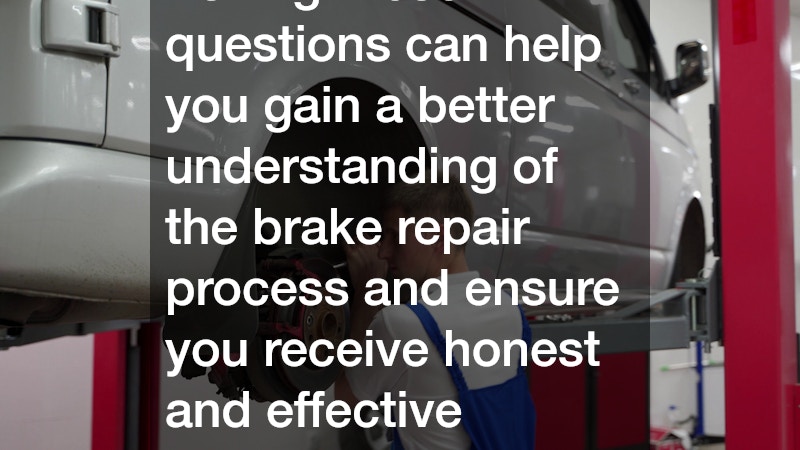
Asking these questions can help you gain a better understanding of the brake repair process and ensure you receive honest and effective service. Maintaining a dialogue with your brake technician ensures that both parties are aligned in terms of expectations and outcomes. Regular inspections and preparedness for proactive maintenance will minimize the risk of emergency repairs. Always prioritize safety and quality, especially when seeking brake repair. Being an informed consumer not only protects your investment but guarantees peace of mind every time you’re behind the wheel.