
Road Life Realities: Navigating Technology and Law
Life on the open road has long been romanticized as the ultimate expression of freedom, a nomadic ideal where the horizon is the only limit. However, for those who spend their lives behind the wheel—whether as long-haul truckers, daily commuters, or fleet operators—the reality is far more complex. Modern driving is a high-stakes environment where cutting-edge mechanical technology intersects with a dense thicket of legal regulations. To thrive in this space, one must move beyond the basic mechanics of driving and become a savvy manager of both vehicle assets and legal risks.
This comprehensive guide delves into the intricate layers of modern transit. We explore how to optimize vehicle performance through alternative fuels, how to navigate the immediate trauma of a collision, and how to protect one’s livelihood through specialized legal advocacy. In an era where a single mistake or equipment failure can have life-altering consequences, understanding the full spectrum of road life is no longer optional—it is a necessity for survival and success.
Phase 1: Maximizing Efficiency and Performance
As fuel prices fluctuate and environmental regulations tighten, many drivers are looking toward alternative energy sources to sustain their livelihoods. One of the most significant shifts in recent years is the move toward cleaner combustion technologies. For high-mileage users, a cng conversion offers a compelling path toward reduced fuel costs and lower emissions. By retrofitting a traditional internal combustion engine to run on compressed natural gas, operators can often see a significant return on investment within the first year of heavy use.
Cost Stability:
Natural gas prices tend to be less volatile than traditional gasoline or diesel.
Extended Engine Life:
Cleaner burning fuels often result in less carbon buildup on internal components.
Environmental Compliance:
Lower particulate matter helps meet strict urban air quality standards.
However, technology is not always infallible. When a vehicle suffers from chronic mechanical defects that the manufacturer cannot resolve, the driver is protected by specific consumer rights. Navigating these claims often requires the expertise of a specialized lemon law firm. These advocates ensure that consumers are not stuck with a dangerous or unreliable vehicle, forcing manufacturers to honor their warranties through either a full refund or a vehicle replacement. Documenting every repair attempt is the cornerstone of a successful claim in these instances.
The transition to alternative fuels also requires a shift in how a driver monitors vehicle health. Systems designed for natural gas operate under different pressure and temperature thresholds than standard gasoline engines. Drivers must become accustomed to new diagnostic signals and maintenance schedules. Ignoring these technical nuances can lead to efficiency losses that negate the financial benefits of the fuel switch. Therefore, the modern driver must balance the role of an operator with that of a technical analyst, ensuring that every component of their upgraded system is functioning at peak capacity.
Phase 2: Immediate Response to Roadway Collisions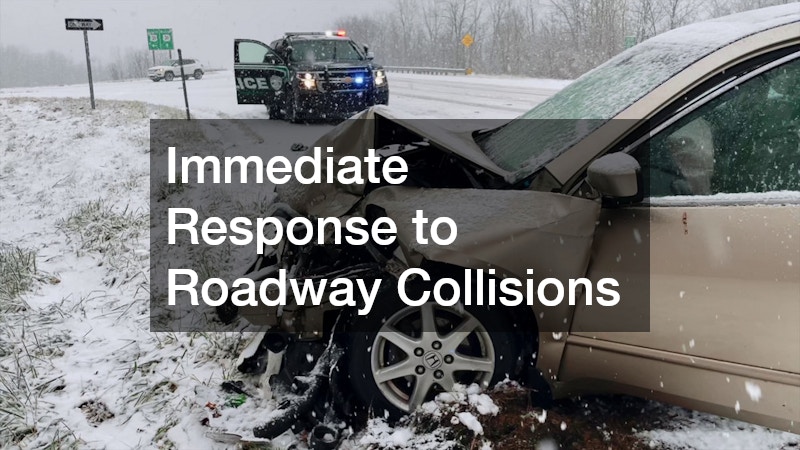
The seconds following a collision are arguably the most critical moments in a driver’s life. Adrenaline and shock can cloud judgment, yet it is during this window that the foundation of a legal and insurance claim is built. Securing the scene and gathering evidence is paramount. From photographing skid marks to identifying witnesses, the data collected at the roadside will dictate the future of any potential litigation. This is why many experienced drivers keep the contact information for a car accident lawyer readily available.
A professional legal advocate does more than just file paperwork; they manage the complex flow of information between law enforcement, medical providers, and insurance adjusters. For example, a car accident attorney understands how to subpoena dashcam footage and electronic data logs that an individual might struggle to access. This proactive approach prevents insurance companies from using “early settlement” tactics to close a case before the full extent of the injuries or vehicle damage is truly known.
Prioritize safety:
Move to the shoulder if possible and activate hazard lights.
Contact authorities:
Always file a formal police report, regardless of how minor the damage seems.
Visual Documentation:
Take photos of the vehicles, the surrounding road conditions, and any visible signage.
Seek Medical Attention:
Even if you feel fine, internal injuries or whiplash may not manifest immediately.
Furthermore, the administrative burden of an accident can be overwhelming for someone trying to recover physically. A legal team takes over the task of ordering police reports, managing hospital liens, and communicating with the other party’s legal counsel. This allows the driver to focus on rehabilitation rather than bureaucracy. By acting as a buffer, the attorney ensures that the driver does not inadvertently make statements that could be used against them during the liability determination phase of the case.
Phase 3: Specialized Support in Your Community
While the law may be universal, its application is often local. Every jurisdiction has its own quirks, from the temperament of local judges to the specific traffic patterns that cause frequent incidents. When an incident occurs, the value of a local car accident attorney cannot be overstated. They possess an intimate knowledge of the regional courts and are often familiar with the defense strategies used by local insurance firms. This localized expertise ensures that the nuances of a specific geographic area are factored into the case strategy.
Furthermore, the physical toll of a collision often requires a multi-faceted medical and legal approach. The role of personal injury attorneys is to act as the bridge between the clinic and the courtroom. They work with medical experts to ensure that client injuries—such as soft tissue damage or traumatic brain injuries—are properly diagnosed and documented for the record. This ensures that the compensation sought reflects the actual cost of long-term rehabilitation rather than just the immediate emergency room bill.
In many cases, the legal team will also assist in managing “Letters of Protection,” which allow injured parties to receive necessary medical treatment while their case is pending, with the providers being paid out of the final settlement. This prevents financial ruin during the recovery process and ensures that the quality of care is dictated by medical necessity rather than immediate out-of-pocket cash flow.
Building a strong community-based legal strategy also involves understanding the local jury pool. A lawyer who lives and works in the same community as the client can better articulate how an injury has affected the client’s daily life within that specific social and economic context. Whether it’s the loss of ability to participate in local events or the impact on a locally-owned business, these details resonate more deeply when presented by an advocate who understands the local culture. This personal connection is a subtle but powerful component of successful advocacy.
Phase 4: Managing Legal Hurdles and Moving Violations
Not every legal challenge on the road involves a physical collision. Administrative and criminal hurdles can be just as damaging to a driver’s career. A simple speeding ticket or a failure to yield can result in points that lead to license suspension and skyrocketing insurance premiums. This is when a traffic violation lawyer becomes a vital asset. They specialize in contesting citations, challenging the accuracy of speed-detection equipment, and negotiating for reduced charges that keep a driver’s record clean.
The stakes increase exponentially when the allegations involve impaired driving. The legal landscape surrounding alcohol and drug-related stops is incredibly technical. A dui lawyer is trained to scrutinize every aspect of the stop, from the initial reason for the pull-over to the calibration of the breathalyzer equipment used at the station. They ensure that the driver’s constitutional rights were not violated and that any evidence presented by the prosecution meets the highest standards of reliability.
Exercise the right to remain silent:
Politely decline to answer questions beyond basic identification without counsel.
Observe the procedures:
Note if the officer followed standard field sobriety protocols.
Request transparency:
Demand a copy of all dashcam or bodycam footage during the discovery phase.
Understand the Implied Consent Law:
Be aware of the consequences of refusing a chemical test in your specific state.
Beyond the immediate courtroom battle, these specialists also help drivers navigate the “collateral consequences” of a violation. This might include assisting with the installation of an ignition interlock device or representing the driver at a DMV hearing to prevent a total license revocation. By managing both the criminal and administrative sides of the law, these attorneys provide a comprehensive defense that seeks to minimize the long-term impact on the individual’s ability to remain employed and mobile.
Phase 5: Pursuing Comprehensive Restitution for Major Loss
Long-term road life requires a strategy for dealing with catastrophic loss. When a permanent disability occurs, the financial impact extends far beyond medical bills; it encompasses a lifetime of lost earnings and reduced quality of life. A personal injury lawyer focuses on these macro-financial impacts. They employ vocational experts to determine how an injury affects a person’s ability to work in their chosen field, ensuring that any settlement or jury award accounts for the decades of income that may have been lost.
For some drivers, the situation is complicated by their existing legal status. If a driver is currently on probation, a simple traffic stop can trigger a technical violation that leads to immediate incarceration. In these high-stakes scenarios, the assistance of a violations of probation attorney is critical. They work to show the court that a traffic incident should not jeopardize the individual’s overall progress toward rehabilitation, providing a defense that balances the rules of the road with the rules of the justice system.
Navigating the civil recovery process involves a deep understanding of statutes of limitations and insurance policy limits. A team of personal injury attorneys will often conduct an exhaustive search for all potential pockets of insurance coverage, including “underinsured motorist” policies, to ensure that the client is not left with an uncollectible judgment. This level of financial forensics is what distinguishes a professional legal strategy from a simple insurance claim.
Furthermore, the pursuit of restitution often involves dealing with multiple defendants. In a complex highway accident, liability might be shared between a vehicle manufacturer, a commercial trucking company, and a state department of transportation responsible for road maintenance. A skilled legal team knows how to assign percentages of fault to each party, maximizing the potential for a full recovery. This layered approach to litigation is essential when the damages reach into the millions, as it ensures that no stone is left unturned in the search for accountability.
Finally, the resolution of a major loss claim often necessitates the creation of a structured settlement or a special needs trust. This ensures that the capital recovered is managed in a way that provides for the victim’s needs over many years without disqualifying them from necessary government benefits. Counselors in this field work to ensure that the “bank” stage of the process isn’t just about a single check, but about long-term financial solvency. By coordinating with financial planners, the legal team helps the driver transition from a state of crisis to a state of permanent stability, proving that the right advocacy is an investment in a lifetime of security.
By prioritizing these safeguards, you ensure that your journey through the legal and mechanical landscape is as smooth as possible. Taking these final steps allows you to focus on the road ahead, knowing your rights and your assets are fully protected against the unexpected. Ultimately, a well-prepared driver is an empowered one, ready to handle any challenge the road life realities may present. This level of foresight distinguishes a temporary fix from a permanent solution, allowing you to reclaim your independence following a life-altering event. As you integrate these financial and legal strategies, you transform from a victim of circumstance into a proactive manager of your own recovery.
Ultimately, the goal is to build a future that is not defined by the collision, but by the resilience and precision of your response. By aligning yourself with specialists who understand the granular details of road life, you ensure that every mile forward is paved with the security you deserve. These final layers of protection serve as the ultimate insurance policy, granting you the mental clarity needed to return to the driver’s seat with confidence. Success on the road is as much about the quality of your counsel as it is about the quality of your vehicle. With these systems in place, you are fully equipped to navigate the high-stakes reality of modern transit.
Ultimately, road life is about more than just getting from point A to point B. It is about protecting your health, your assets, and your future. As the landscape of driving continues to evolve with autonomous tech and new regulations, staying informed and having the right specialists in your corner will remain the most effective way to ensure that your journey remains a successful one.