Whether you want to save money, learn more about how your vehicle works, or take on a rewarding new hobby, DIY auto work can be a practical place to start. You do not need to become a professional mechanic overnight to handle basic maintenance and minor repairs. With the right preparation, tools, and information, you can gradually build your skills and become more comfortable working on your vehicle.
Start With Basic Knowledge and a Suitable Workspace
Before attempting any repairs, take time to understand your vehicle and its major systems. Read the owner’s manual, learn where important components are located, and become familiar with basic terms related to the engine, brakes, battery, fluids, and suspension.
You can also consult a repair manual written specifically for your vehicle’s make, model, and year to better understand recommended procedures and specifications.
Your workspace matters as well. A clean, level, and well-lit area can make DIY automobile repair safer and more manageable. Make sure you have enough room to move around the vehicle and keep tools organized. If you work in a garage, maintain proper ventilation, especially when the engine is running, and keep flammable materials away from heat sources.
Safety should always come before convenience. Use jack stands when working beneath a raised vehicle, wear appropriate eye protection, and allow hot components to cool before touching them. Never rely solely on a hydraulic jack to support a vehicle, and avoid attempting repairs when you are unsure about the correct procedure.
It is also helpful to begin with a realistic assessment of your current abilities. Some jobs require specialized equipment or extensive technical knowledge, while others can be completed with basic hand tools. Starting with manageable tasks allows you to learn how your vehicle responds to maintenance without immediately taking on a complicated project.
Build Your Tool Collection and Begin With Simple Projects
You do not need to purchase every automotive tool at once. Start with quality essentials, such as a socket and wrench set, screwdrivers, pliers, a torque wrench, a jack, jack stands, and an oil drain pan. As you gain experience, you can add specialized tools based on the types of projects you plan to complete.
Simple maintenance tasks are often the best introduction to working on a vehicle. Depending on the manufacturer’s recommendations and your vehicle’s design, beginners may be able to learn how to check and replace certain fluids, change windshield wipers, replace an air filter, or install a new battery. These projects can teach you how to follow instructions, identify components, and use tools properly.
As your confidence grows, carefully follow repair procedures rather than relying on guesswork. Pay attention to torque specifications, part numbers, fluid requirements, and recommended service intervals. A small mistake, such as overtightening a fastener or using the wrong fluid, can create larger problems, so accuracy is an important part of successful automobile repair.
Keep track of the work you perform, including the date, mileage, parts used, and any issues you notice. This record can help you monitor maintenance needs and provide useful information if you later need professional assistance. It can also help you identify patterns, such as recurring leaks, unusual noises, or components that wear out sooner than expected.
Know Your Limits and Continue Developing Your Skills
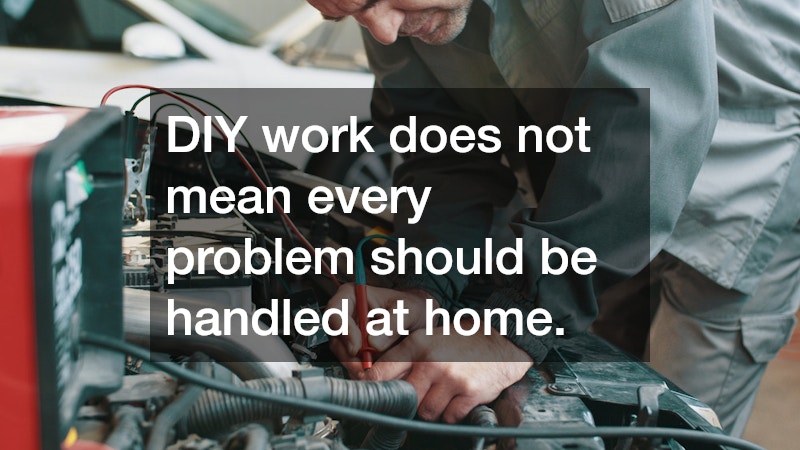
DIY work does not mean every problem should be handled at home. Modern vehicles can include complex computer systems, advanced driver assistance features, high-voltage components, and specialized safety equipment. Repairs involving airbags, major engine problems, electrical diagnostics, or certain brake and steering issues may require professional knowledge and equipment.
Recognizing when to stop is an important skill. If a repair becomes more complicated than expected, review reliable repair information before continuing. Forcing a component, bypassing a safety step, or improvising with unsuitable tools can damage the vehicle or create a dangerous situation. Seeking professional help when necessary can prevent a minor problem from becoming a costly repair.
You can continue expanding your knowledge by studying how different vehicle systems operate and observing experienced technicians. Educational resources, manufacturer information, and reputable repair manuals can provide useful guidance, but always verify that instructions apply to your specific vehicle. Procedures can vary significantly between makes, models, and model years.
Each successful project can prepare you for more advanced maintenance in the future. By prioritizing safety, using accurate information, and knowing when professional support is needed, you can make DIY automobile repair a productive way to care for your vehicle while developing valuable mechanical skills.